“class hours” search results (400)
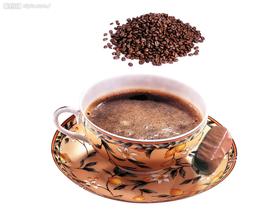
Characteristics of Jinchu Valley in Kenya
Kenya Coffee Grade Kenya is a well-known producer based on the size of coffee beans. It is usually divided into nine grades, according to the bean type, there are PB (round beans, accounting for about 10% of the total output), in addition, there are E (elephant beans), AA, AB, C, T, TT, MH, ML according to size. The best coffee grade is bean-shaped berry coffee PB, followed by AA++, AA+, AA, AB and so on.
2016-08-29 Kenya Jinchu characteristics coffee grade well-known coffee beans grain size
A long aftertaste of Puerto Rican coffee flavor description, grinding characteristics, taste manor introduction
With the advance of modernization, the Americanization of Puerto Rican culture is becoming more and more obvious. However, people of insight on the island believe that Puerto Rican culture should not be assimilated into the mainstream culture of the United States, otherwise the national identity of Puerto Rico will be lost. This proposition is closely linked to the debate over the political status of Puerto Rico and has become a political issue of concern to every Puerto Rican. Language problem
2016-10-06 Aftertaste long Puerto Rico coffee flavor description grinding characteristics taste Zhuang
Blue Mountain Coffee introduces Super Blue Mountain Coffee
The secret of why Blue Mountain coffee tastes pure: their coffee trees are all grown on rugged hillsides, and the picking process is so difficult that non-local skilled female workers are simply unable to do it. It is very important to choose the right ripe coffee beans when picking. Immaturity or ripeness will affect the quality of the coffee. The picked coffee beans are shelled on the same day, and then let them ferment for 1218 hours.
2016-06-04 Blue Mountain Coffee introduction Super Class
Rwanda Coffee Flavor
Rwandans have been growing coffee since colonial times, but until 1999, its products were still classified as below Class C and were not popular in the global market. The reason for the poor quality is that farmers do not have a fixed procedure for washing coffee beans and do not process coffee fruits according to specifications in time. Buyers buy coffee beans at $0.33 per kilogram, and farmers keep warm by the meagre profits earned at low prices.
2016-08-30 Rwanda coffee flavor characteristics people since colonization times from open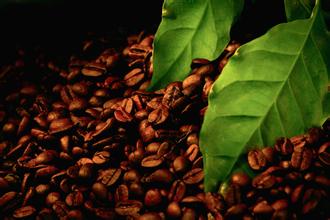
Geo-climatic production process of coffee in Rwanda
Maraba Coffee, the geographic and climatic editor, is grown in southern Rwanda, about 12km (7 miles) from the city of Butare and 150km (93 miles) from the capital, Gejali. The plan began in the Malaba area of Butare province, but was taken over by a local government organization in 2006, which is now part of the Huye district of the southern province. Due to its proximity to the East African Rift Valley and Neuenweisen,
2016-05-29 Rwanda Coffee Geography Climate production process Editor Malaba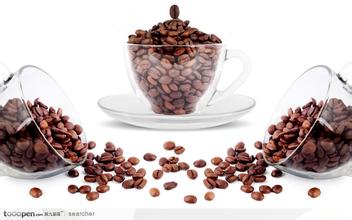
Geo-climatic production process of coffee in Rwanda
Malaba Coffee grows in southern Rwanda, about 12 kilometers (7 miles) from the city of Butare and 150 kilometers (93 miles) from the capital, Gejali. The plan began in the Malaba area of Butare province, but was taken over by a local government organization in 2006, which is now part of the Huye district of the southern province. Due to its proximity to the East African Rift Valley and the Neuenway Forest Mountains, this area has many topography.
2016-05-29 Rwanda coffee geography climate production process Malaba Raba better than
Malaba coffee grown in southern Rwanda Lutechiro, Western Province
Maraba coffee is grown in southern Rwanda, about 12 km (7 mi) from Butare and 150 km (93 mi) from the capital, Gigali. The project began in the Malaba area of Butare province, but was succeeded by local government organizations in 2006, and the area is now part of the Huye region of Southern province. Due to its proximity to the Great Rift Valley and the Nunwe Forest Mountains, the terrain of this zone
2016-07-02 long rwanda south malaba laba coffee western province te xi producing area
The Historical Origin of Rwandan Coffee
Historical editors originate that Rwandans have been growing coffee since colonial times, but until 1999, its products were still classified as below Class C and were not popular in the global market. The reason for the poor quality is that farmers do not have a fixed procedure for washing coffee beans and do not process coffee fruits according to specifications in time. Buyers buy coffee beans at $0.33 per kilogram, which farmers earn at low prices.
2016-06-01 Rwanda Coffee History Origin Editor Human self colonization
Malaba Coffee from Coffee producing areas in Southern Rwanda
Grows in southern Rwanda, about 12 km (7 miles) from the city of Butare and 150 km (93 miles) from the capital, Gejali. The plan began in the Malaba area of Butare province, but was taken over by a local government organization in 2006, which is now part of the Huye district of the southern province. Due to its proximity to the East African Rift Valley and the Neuenway Forest Mountains, the terrain is sloping and steep.
2016-06-18 Rwanda South Coffee producing areas species Malaba Rabbah longer than
Southern part of Malaba Coffee production area, a coffee variety from Rwanda
Malaba Coffee grows in southern Rwanda, about 12 kilometers (7 miles) from the city of Butare and 150 kilometers (93 miles) from the capital, Gejali. The plan began in the Malaba area of Butare province, but was taken over by a local government organization in 2006, which is now part of the Huye district of the southern province. Due to its proximity to the East African Rift Valley and the Neuenway Forest Mountains, the terrain
2016-06-16 Rwanda Coffee Variety Malaba Rabbah production area South Rabah
For Rwandan coffee beans, it is better to buy raw beans or roasted beans.
Rwandans have been growing coffee since colonial times, but until 1999, its products were still classified as below Class C and were not popular in the global market. The reason for the poor quality is that farmers do not have a fixed procedure for washing coffee beans and do not process coffee fruits according to specifications in time. Buyers buy coffee beans at $0.33 per kilogram, and farmers keep warm by the meagre profits earned at low prices.
2016-05-23 Rwanda coffee beans flavor household use buy raw beans or already baked
An article will introduce you to the British "Tea Time" culture.
The British have never planted a piece of tea but created a unique and gorgeous afternoon tea. It is a fact known all over the world that the British love afternoon tea. A British playwright once said: While there is tea,there is hope. Where there is tea, there is hope. There are so many Tea time in Britain every day that people feel that they spend 1/3 of their lives drinking tea.
2014-11-22 Coffee knowledge British Coffee Culture Tea Time
Introduction of washed Rwanda coffee beans classification of fine coffee
Rwandans have been growing coffee since colonial times, but until 1999, its products were still classified as below Class C and were not popular in the global market. The reason for the poor quality is that farmers do not have a fixed procedure for washing coffee beans and do not process coffee fruits according to specifications in time. Buyers buy coffee beans at $0.33 per kilogram, and farmers keep warm by the meagre profits earned at low prices.
2016-06-28 Washing Rwanda coffee beans introduction boutique coffee classification people from
Introduction of Santa Cruz Manor Coffee Variety description characteristics of Manor Flavor in producing area
Ecuador is at the center of the world, which is why Ecuador is called the equatorial country. Ecuador's top coffee is also famous for its superior geographical location. A two-hour drive east from Quito, the capital of Ecuador, you can reach the tropical jungle and west to the seaside. Ecuador is one of the most species-rich countries in the world. You are in any direction
2016-09-20 Crewe Manor Coffee Variety producing area Flavor description characteristics introduction Ecuador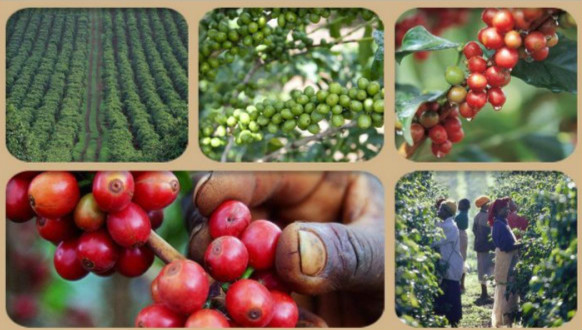
Kenya coffee treatment method Kenya coffee grade classification Kenya coffee taste suitable for iced coffee drink
Large coffee processing farms in Kenya usually have independent processing facilities. A large number of small farmers usually pick ripe coffee fruits by hand. Coffee picking is a labor-intensive job that requires the whole family to deploy and even hire workers during the harvest season. The fresh fruits of the picked coffee need to be promptly transported to the cooperative-owned coffee processing plant for pulping and transportation.
2016-04-01 Niya coffee treatment method Kenya grade classification taste fit Kenny
Introduction of Lutesilo producing area in the western province of Malaba Coffee Chimel Manor, Rwanda
Malaba Coffee grows in southern Rwanda, about 12 kilometers (7 miles) from the city of Butare and 150 kilometers (93 miles) from the capital, Gejali. The plan began in the Malaba area of Butare province, but was taken over by a local government organization in 2006, which is now part of the Huye district of the southern province. Due to its proximity to the East African Rift Valley and the Neuenway Forest Mountains, the terrain
2016-07-14 Rwanda Malaba Rabbah Coffee Mayer Manor Western Province Texi producing areas
Introduction to the flavor description of high-quality coffee beans in Puerto Rico coffee production area
Puerto Ricans are the general name of the residents of United States Puerto Rico in Central America and the Caribbean. There are about 3.4 million people (1979). Spanish and English are widely used. More Catholic. The earliest inhabitants of Puerto Rico were Arawak and Caribbean Indians. In 2012, whites of European origin accounted for about 73% of the population, mixed-race people accounted for 23%, and blacks accounted for 4%. There are more than 20,000 Americans and others.
2016-10-09 Puerto Rico coffee grinding taste characteristics varieties producing areas boutique coffee beans
Coffee trip-the latest reference information
In terms of social function, the cafe is somewhat similar to the Chinese teahouse: its emergence has created a public space and flattened the class distinction, and as prices fall, people from all walks of life can go for a drink and participate in gossip. After hundreds of years of development, coffee has become a necessity of people's life and evolved into a beverage symbolizing civilization. And as long as you walk into a famous cafe
2014-08-15 Coffee trip Coffee Encyclopedia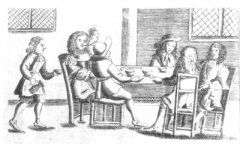
Coffee's Historical and Cultural Significance: Eastern Beverage, Western Culture
Coffee, a familiar but mysterious drink, blows into our world like a strong wind from the west and gradually changes our lives and temperaments.
2014-05-15 Coffee culture Oriental drinks Coffee beans
The origin of coffee beans in Rwanda Coffee bean powder is too weak.
The Rwandans of origin have been growing coffee since colonial times, but until 1999, its products were still classified as below Class C and were not popular in the global market. The reason for the poor quality is that farmers do not have a fixed procedure for washing coffee beans and do not process coffee fruits according to specifications in time. Buyers buy coffee beans at $0.33 per kilogram, and farmers rely on the meagre profits earned at low prices.
2016-06-13 Rwanda coffee beans origin coffee bean powder brewing too light